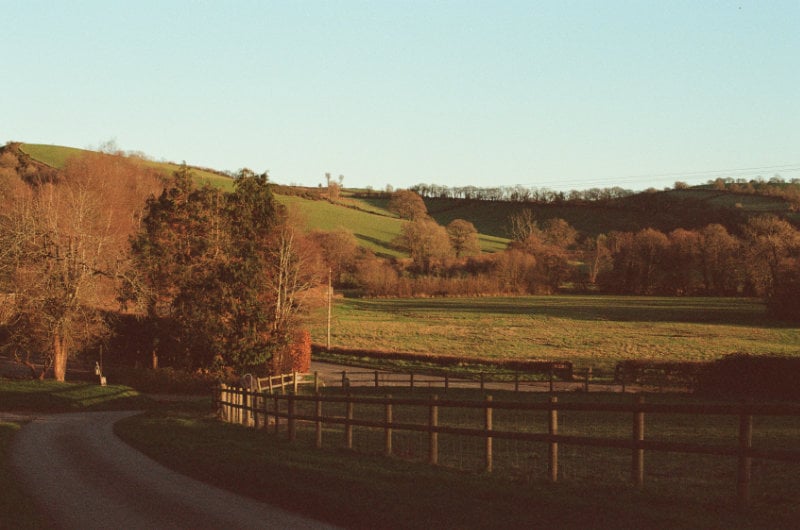
Northeast Missouri attracts buyers looking for productive farmland, private hunting ground, recreational acreage, and properties that combine several of those uses.
Some buyers want wooded acreage where they can hunt whitetail deer and spend weekends with family. Others want tillable land that can remain in agricultural production. Many are looking for a combination property with crop ground, timber, water, wildlife habitat, and the potential for long-term personal use.
Finding the right property requires more than choosing an acreage and price range. Buyers should understand how the land is divided, how it is accessed, what agreements are already in place, and whether its features support the way they intend to use it.
If you are searching for for hunting land or farmland in Northeast Missouri, here are the most important factors to evaluate.
Decide Whether You Need Hunting Land, Farmland, or Both
Start by defining what you want the property to accomplish.
A buyer primarily interested in hunting may prioritize:
- Timber and wildlife cover
- Food sources
- Creeks, ponds, and other water
- Quiet access routes
- Trails and openings
- Neighboring land use
- Locations for stands or blinds
- Space for habitat improvements
A farmland buyer may be more concerned with:
- Tillable acreage
- Soil productivity
- Field shape
- Drainage
- Road and equipment access
- Existing farm leases
- Current crop use
- Conservation practices
A combination property may include productive fields alongside timber, draws, creeks, brush, or other recreational ground. Tillable acres may provide agricultural use while also contributing seasonal food sources and open areas that influence wildlife movement.
Before touring properties, decide which use is most important and which features would be beneficial but are not essential.
Understand How the Acreage Is Divided
A 100-acre property is not automatically 100 acres of farmland or 100 acres of huntable timber.
Rural properties in Northeast Missouri may include several land types within the same boundary:
- Tillable fields
- Pasture
- Mature timber
- Young timber and brush
- Creeks and drainage areas
- Ponds
- Roads and trails
- Buildings
- Homesites
- Unimproved ground
Ask for an approximate breakdown of the acreage. A property with 60 tillable acres and 40 acres of timber will serve a different buyer than one with 15 tillable acres, 70 acres of timber, and 15 acres of roads, water, and open ground.
Neither is necessarily better. The right balance depends on whether your primary goal is farming, hunting, recreation, income, building, or a mixture of uses.
Evaluate Habitat, Timber, and Wildlife Features
When evaluating hunting land in Northeast Missouri, look beyond whether deer have been photographed on the property.
Consider what gives wildlife a reason to use the land throughout the year. Timber, brush, water, food, terrain, and neighboring properties can all influence wildlife movement.
Features worth evaluating include:
- Timber that provides cover and travel corridors
- Brushy areas or thicker bedding cover
- Creeks, ponds, or other dependable water
- Field edges and transitions between habitat types
- Natural funnels created by terrain
- Existing trails and property access
- Open areas that could support habitat improvements
- Neighboring crop ground and timber
- Road activity and nearby development
Trail-camera photographs and previous hunting history can be helpful, but they should not be the only reasons for purchasing a property. Habitat conditions, crop rotations, hunting pressure, weather, and neighboring land use can change over time.
A strong hunting property should fit how you plan to access, manage, and use the land, not only what was photographed during one season.
Review the Tillable Acreage
If the property includes farmland, determine how many acres are currently being farmed and how those acres are used.
Important questions include:
- How many acres are considered tillable?
- What crops have recently been grown?
- Are the fields currently leased?
- What type of lease is in place?
- When does the lease begin and end?
- Who maintains field entrances, waterways, and access roads?
- Are any acres enrolled in conservation programs?
- Are there wet areas or drainage concerns?
- Can equipment reach each field easily?
Field shape also matters. Large, open fields may be easier to farm than narrow or irregular areas divided by timber, waterways, or steep terrain.
Buyers should review available soil information, leases, conservation agreements, and production records with qualified agricultural, legal, and financial professionals when those factors influence the purchase.
Ask About Existing Farm and Hunting Agreements
Do not assume that every current agreement ends when the property is sold.
A farm tenant may have rights under an existing lease. Another person may have permission to hunt the land. Conservation agreements or government programs may include requirements that continue after ownership changes.
Ask whether the property is subject to:
- Cash-rent agreements
- Crop-share arrangements
- Hunting leases
- Verbal use agreements
- Conservation programs
- Access easements
- Shared-road agreements
- Utility easements
Request copies of written agreements and discuss them with the appropriate professionals before purchasing.
If you want possession of the farm ground, exclusive hunting rights, or the ability to make immediate improvements, the timing and terms of existing agreements can be especially important.
Confirm Access for Hunting and Farm Equipment
Legal access and practical access are not always the same.
A property may have recorded access but still be difficult to reach with a combine, tractor, truck, trailer, or other equipment. A hunting property may have a good entrance but lack a quiet route to reach the back of the acreage without crossing an open field.
When visiting the property, evaluate:
- Public road frontage
- Recorded easements
- Private or shared roads
- Gate locations
- Field entrances
- Creek crossings
- Culverts
- Road conditions during wet weather
- Space for trucks and trailers
- Access to different portions of the property
Hunters should consider prevailing access patterns and whether they can reach likely hunting areas without repeatedly disturbing the property. Farm buyers should determine whether equipment can safely and reliably reach every productive field.
Study Water and Drainage
Water can add recreational, agricultural, and wildlife value to a property, but it can also create challenges.
Creeks and ponds may provide wildlife water, fishing opportunities, livestock use, or attractive scenery. Low areas and drainage corridors may also become difficult to cross after heavy rain.
Look for:
- Ponds and their apparent condition
- Creeks and seasonal waterways
- Drainage through crop fields
- Erosion around crossings and hillsides
- Low areas that may remain wet
- Flood-prone ground
- Existing culverts
- Water access for wildlife or livestock
A property can look very different during a dry summer than it does during a wet spring. Ask questions about seasonal conditions and investigate flood or drainage concerns when they may affect farming, building, or access.
Examine Boundaries and Neighboring Land
Fences, field edges, tree lines, and creeks do not always follow the legal property boundary.
Review any available survey and ask whether corners or boundary markers are visible. Determine whether roads, buildings, fences, trails, or hunting improvements sit near a property line.
Neighboring land use is especially important for hunting and farming buyers.
For hunting land, consider:
- Timber and crop ground on adjoining properties
- Nearby roads and homes
- Hunting pressure
- Wildlife travel across property lines
- Potential access from neighboring parcels
For farmland, consider:
- Shared field entrances
- Drainage between properties
- Fence responsibilities
- Adjacent crop practices
- Shared roads or waterways
Understanding the surrounding land gives you a better idea of how the property functions as part of the larger area.
Consider Improvements and Future Uses
Some buyers want a property they can use immediately. Others are comfortable improving access, habitat, drainage, fencing, buildings, or utilities over time.
Possible improvements may include:
- Establishing trails
- Improving creek crossings
- Adding or repairing gates
- Creating wildlife openings
- Planting food plots
- Improving drainage
- Repairing fences
- Adding utility service
- Preparing a building site
- Renovating existing structures
Before assuming an improvement is possible, confirm access, costs, local requirements, easements, conservation restrictions, and other limitations.
A lower-priced property that needs extensive work may not ultimately be less expensive than land that already supports your intended use.
Walk the Entire Property
Photographs, aerial maps, soil maps, and listing descriptions are valuable, but buyers should walk as much of the property as reasonably possible.
While touring hunting land, look at:
- Habitat transitions
- Timber quality and density
- Trails and access
- Water sources
- Field edges
- Terrain changes
- Neighboring property lines
- Potential stand access
While touring farmland, inspect:
- Field entrances
- Drainage
- Erosion
- Crop conditions
- Waterways
- Fences
- Roads
- Buildings and improvements
Bring appropriate footwear, review a property map, and make notes about areas that require additional investigation. Larger or more complex properties may deserve more than one visit.
Complete Due Diligence Before Purchasing
Every Northeast Missouri property is different. Your due diligence should reflect the land, its current uses, and what you plan to do with it.
Depending on the property, buyers may need to investigate:
- Title and ownership information
- Surveys and boundaries
- Easements and access
- Farm leases
- Hunting agreements
- Soil information
- Conservation programs
- Flood information
- Utilities
- Septic suitability
- Buildings and improvements
- Financing requirements
- Local land-use requirements
A real estate professional can help organize the process and identify important questions. Buyers should also seek appropriate legal, financial, agricultural, environmental, and construction advice when needed.
Find Hunting Land and Farmland in Northeast Missouri
Whether you are searching for a dedicated hunting property, a productive farm, or acreage that combines tillable ground with timber and recreation, start with a clear understanding of your priorities.
Boyer Land Company helps buyers explore hunting land, farms, recreational properties, timber acreage, rural homesites, and other opportunities throughout Northeast Missouri.
Tell us:
- Where you would like to buy
- How many acres you need
- Your approximate budget
- Whether hunting, farming, or recreation is your priority
- Your preferred purchasing timeline
- Which property features matter most
The more we understand about your plans, the better we can help you focus on properties that fit.
Tell Us What You’re Looking For
Are you searching for hunting land or farmland in Northeast Missouri?
Tell Boyer Land Company What You’re Looking For
You can also call Boyer Land Company at (636) 295-1476 to discuss your property search.